‹
›
‹
›
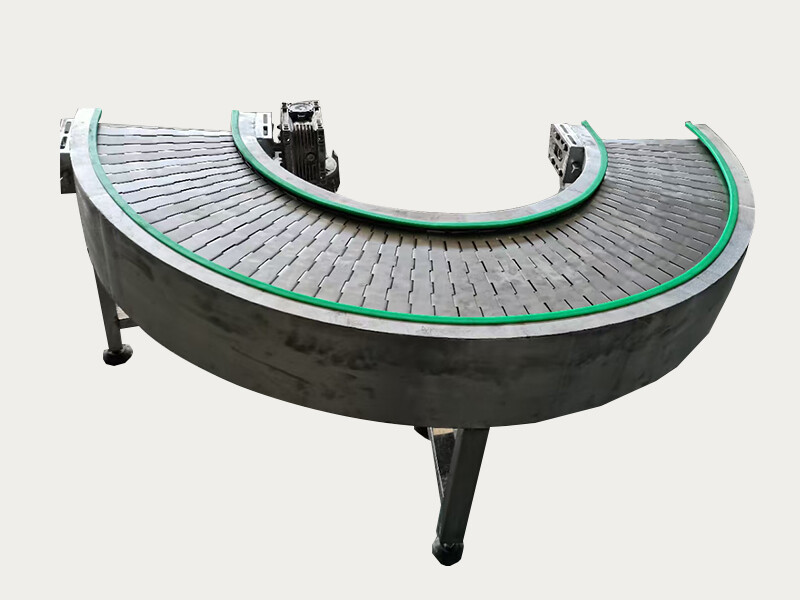
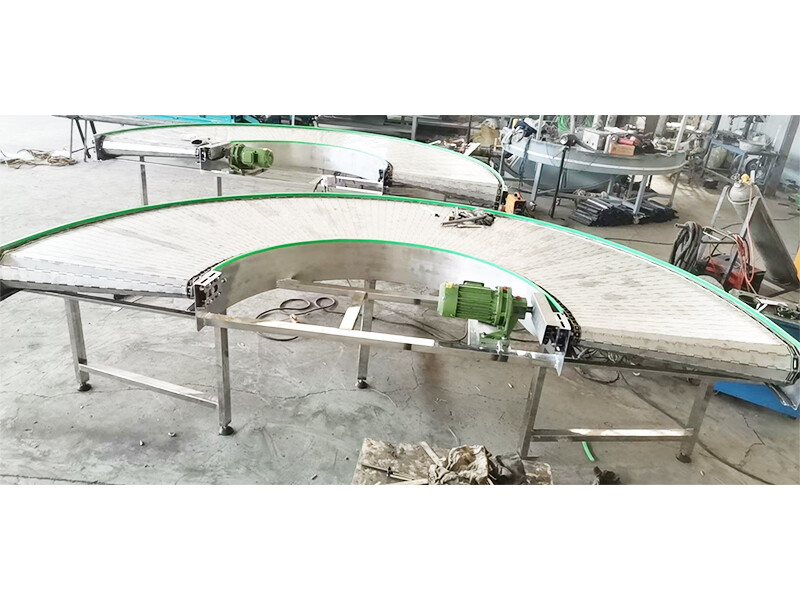
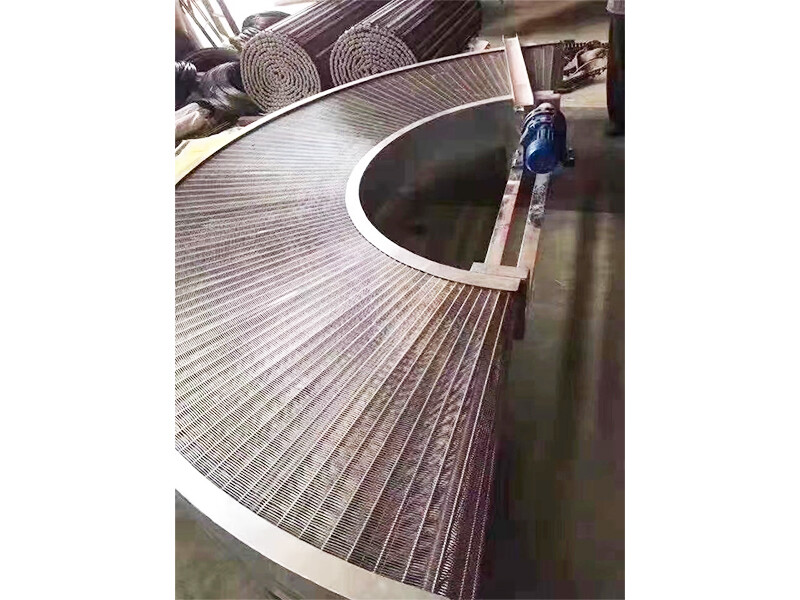
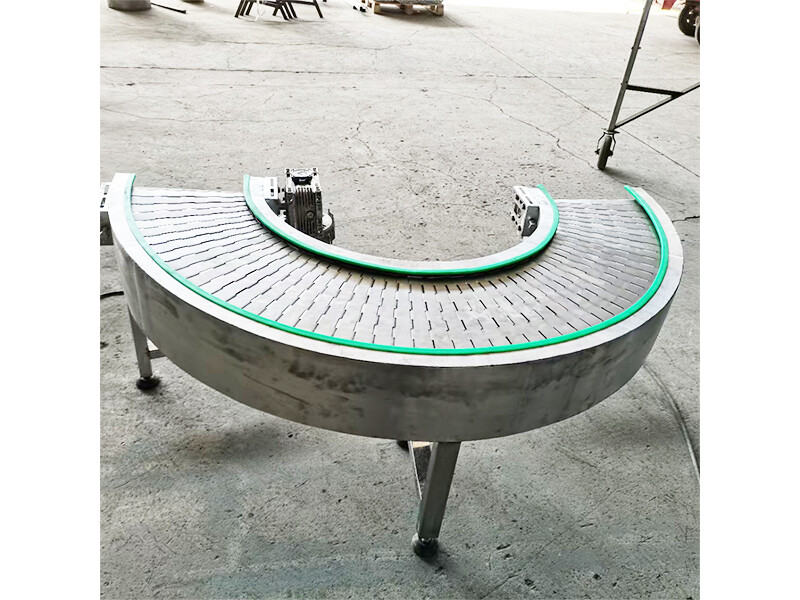
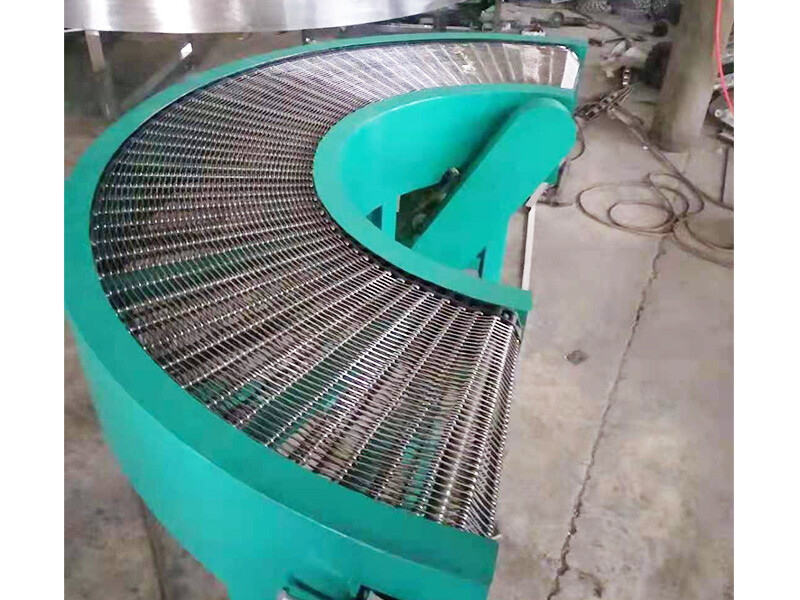
Turning machines are typically used in the following situations:
Site restrictions
When the conveyor needs to avoid obstacles, adapt to the site layout, or connect different conveying lines, the use of turning machines can achieve flexible layout.
Process requirements
In some production processes, materials need to be transported to different processing areas or equipment. The turning machine can meet this change in material flow direction.
Improve efficiency
By rationally setting up the turning machine, the length and complexity of the conveying line can be reduced and the overall conveying efficiency can be improved.
Turning machine types and designs vary depending on the specific application and requirements. Common turning machines include:
Roller turning machine
Change the direction of the conveyor belt through the steering of the roller.
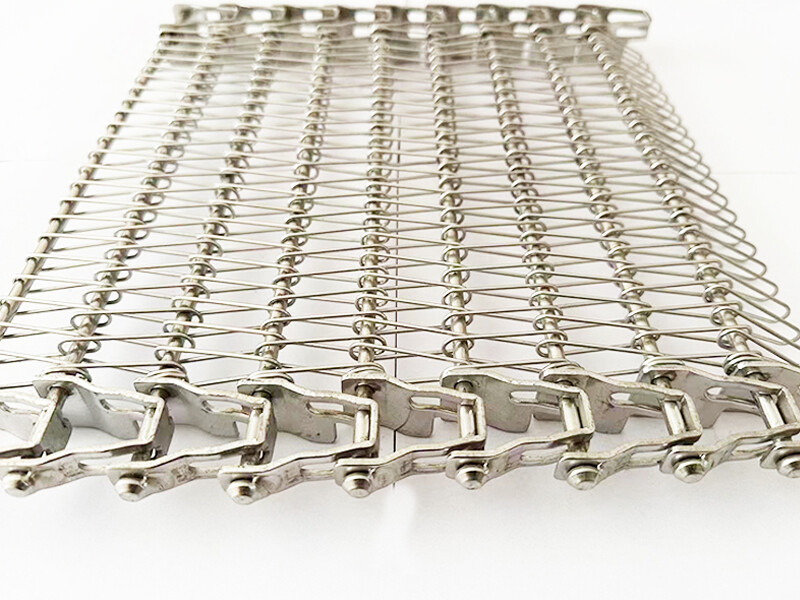
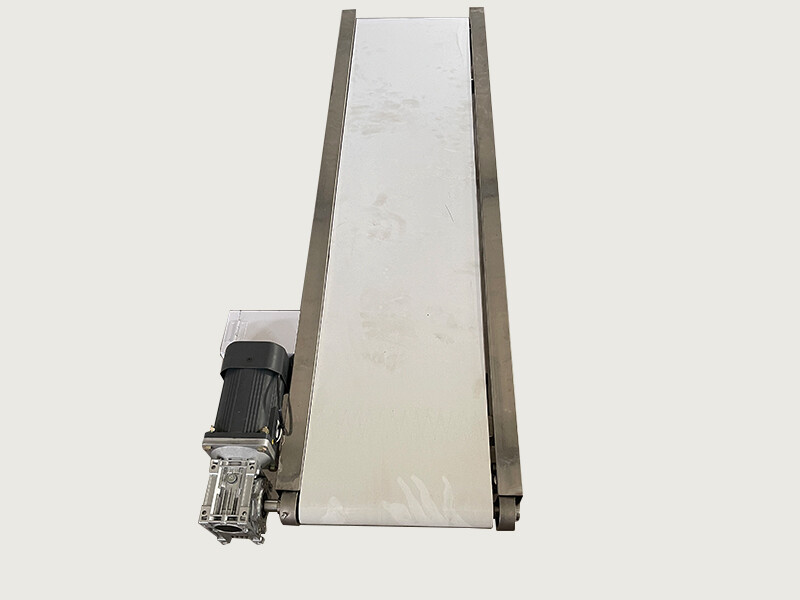
Belt turning machine
Use the flexibility of the belt and the guide device to achieve turning.
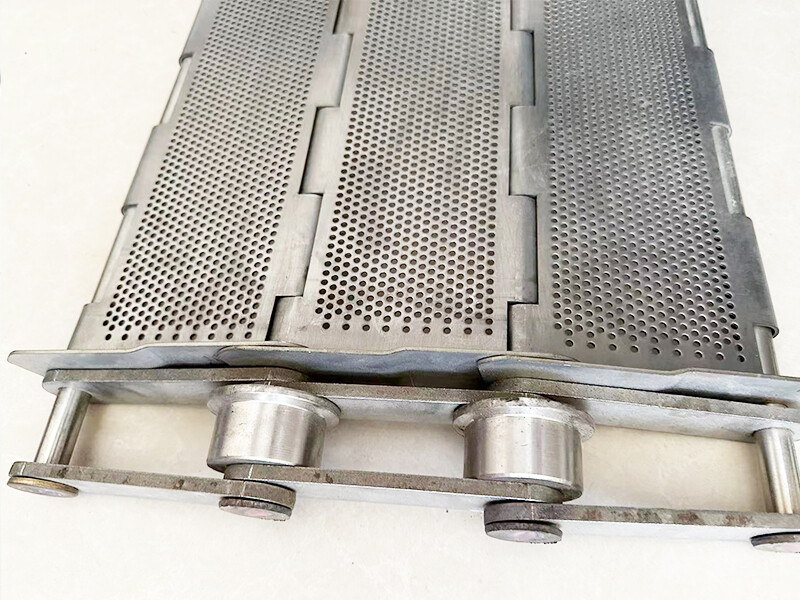
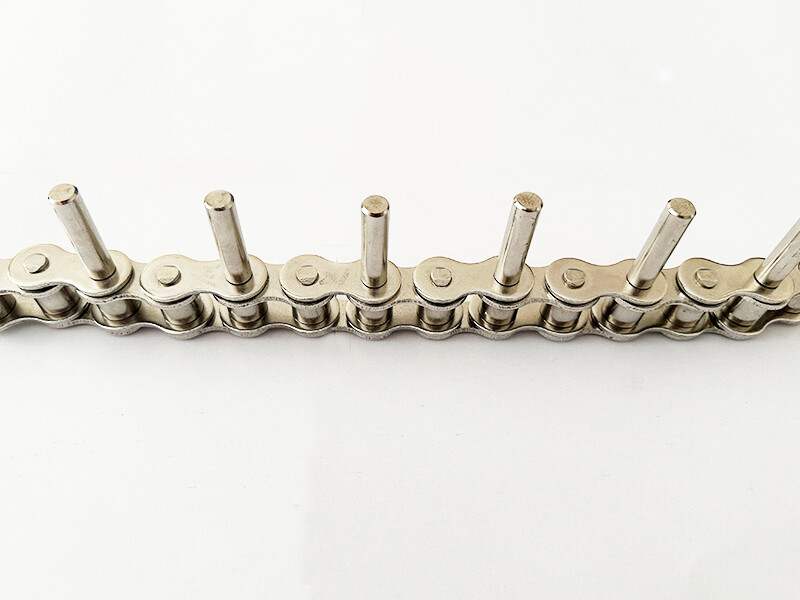
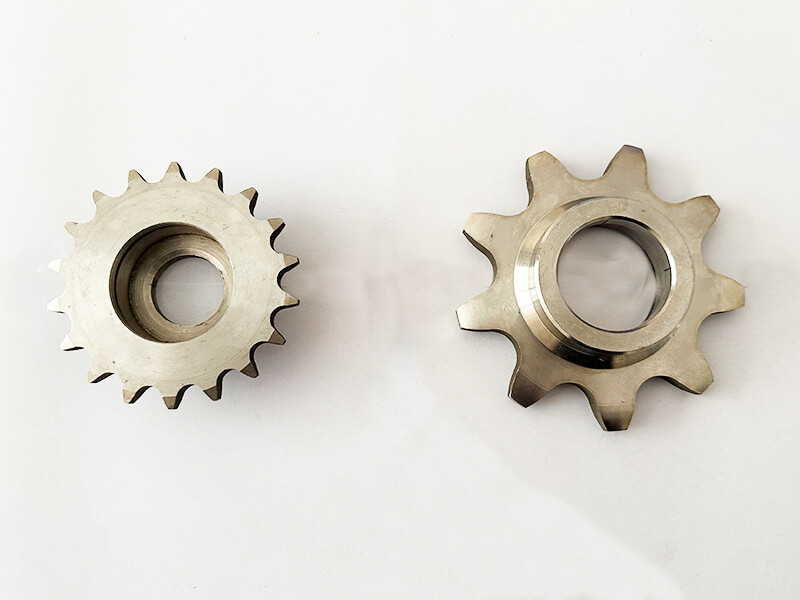
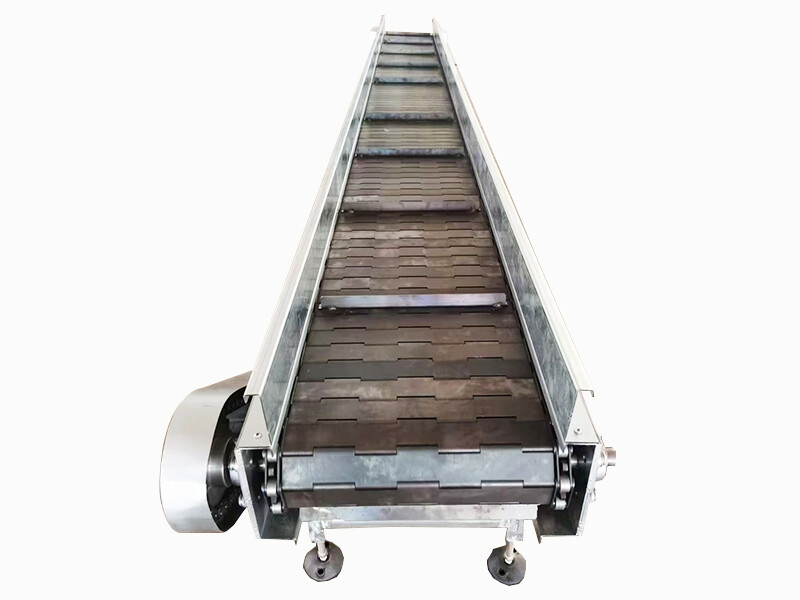
Chain turning machine
Similar to a chain plate conveyor, turning is achieved through the transmission of chains and sprockets.
When choosing a turning machine, you need to consider the following factors:
Turn angle
Determine the required turning angle to ensure that the material can pass through the turns smoothly.
Conveyor type
Select the corresponding turning machine according to the type of existing conveyor (such as roller conveyor, belt conveyor, etc.).
Material characteristics
Consider the size, weight, fluidity and other characteristics of the material to ensure that the turning machine can adapt to the transportation requirements of the material.
Installation space
According to the site conditions, select the appropriate size and structure of the turning machine to ensure the convenience of installation and operation.
Proper selection and installation of curves is critical to the smooth operation of your conveyor system. During use, the turning machine needs to be inspected and maintained regularly to ensure its normal operation and to avoid problems such as conveyor belt deviation and blockage.
Send Message
We always adhere to the principle of quality first and service first, striving to create maximum value for customers and help them improve production efficiency and operational efficiency.